CW028 Super Schwartzi Cory 'Rio Purus' (Hoplisoma sp. CW028)
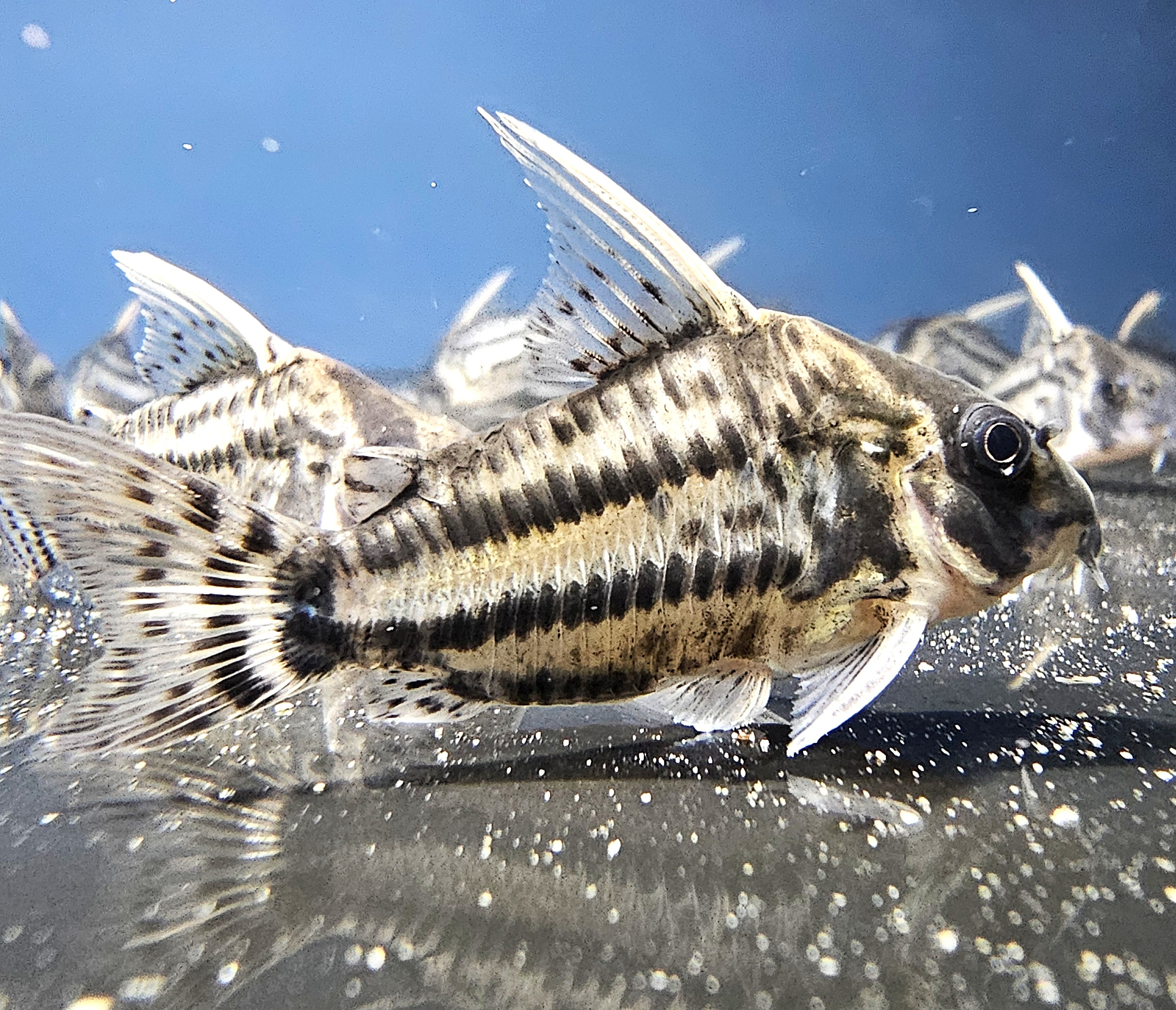
CW028 Super Schwartzi Cory 'Rio Purus' (Hoplisoma sp. CW028)
Product type
Price
Price
$34.99
Availability
Out of stock
Screen size
Screen resolution
RAM
Storage
CPU
Connectivity
Megapixels
Operation system
Product dimensions
Weight
Сountry of origin


Product information
Common Name
Super Schwartzi, CW028
Scientific name
Hoplisoma sp. CW028
Origin and Habitat
They come from the Rio Purus basin in Brazil. This species favors warm, soft waters with gentle current, pale sand, scattered leaf litter, and submerged roots. You will see them working the top layer of sand along shaded margins where fine foods collect. Water is clear to tea colored and rich in oxygen across much of the basin during stable periods.
Temperature and Water Conditions
Preferred range is 74 to 80 F, which is 23 to 27 C. Basin waters are soft and mildly acidic to near neutral, commonly about pH 5.5 to 7.2. We do not recommend chasing exact numbers. Stable, clean, well oxygenated water is far more important. Keep ammonia and nitrite at zero and nitrate very low with regular partial changes and gentle surface agitation.
Appearance and Size
A high contrast beauty with creamy spots over deep charcoal flanks and a bright metallic sheen that runs along the upper body. The head shows a tidy mesh of light dots, and the pectoral spines glow warm orange. Adults reach about 6 to 7 cm total length, roughly 2.4 to 2.8 inches. Females grow rounder and deeper when mature, males stay a bit slimmer and may carry a slightly taller dorsal.
Diet in the Wild
Micro predator and detritus sifter. Feeds on insect larvae, tiny worms, micro crustaceans, and edible biofilm from sand and leaf litter.
Feeding in Captivity
Offer high quality sinking micro pellets and wafers as the staple. Rotate with live or frozen foods such as baby brine shrimp, daphnia, cyclops, white worm, blackworm, and finely chopped bloodworm for conditioning. Scatter food widely over soft sand so the whole group can graze together. A fine sand bed protects barbels and encourages natural sifting.
Behavior and Tank Setup
Peaceful, social, and most confident in a proper school. Keep at least eight for steady activity and synchronized foraging. Use a long footprint tank with fine sand, pockets of leaf litter, and root or branch cover for shade. Provide gentle to moderate flow and high oxygen. Great companions include calm characins, small river fish that enjoy warm clean water, and peaceful dwarf cichlids that respect the bottom.
Breeding
A rewarding project once adults are well conditioned. Feed abundant live and frozen foods for two to three weeks, then use a series of larger cool water changes to mimic seasonal rains. Spawning follows the classic T position with adhesive eggs placed on glass, leaves, wood, or mops. Adults will eat eggs, so remove parents after a spawn or move eggs to a small hatching container with gentle aeration. At about 78 F, which is 26 C, eggs commonly hatch in three to five days. Start fry on paramecium or a suitable liquid fry food for the first days, then transition to microworms and newly hatched brine shrimp. Keep fry water very clean and shallow at first with sponge filtration and frequent small changes, then expand space and feeding frequency as they begin to school.
Quick Facts
- Scientific name: Hoplisoma sp. CW028
- Origin: Rio Purus basin, Brazil
- Adult size: about 6 to 7 cm, roughly 2.4 to 2.8 inches
- Temperature: 74 to 80 F (23 to 27 C)
- Wild pH: commonly 5.5 to 7.2, soft to near neutral water
- Temperament: peaceful schooling catfish
- Diet: micro predator and substrate sifter, accepts quality prepared and frozen foods
- Breeding: adhesive egg layer, responds to cool rain style water changes
Tropical Fish Co. Notes
Super Schwartzi are showpieces. The contrast is crisp, the sheen is bright, and a real school turns any pale sand layout into a moving light show. Give them steady warm water, soft sand, leafy shade, and a calm community, and they will reward you with synchronized foraging, gentle personality, and dependable spawns once well conditioned.
You May Also Like
- Choosing a selection results in a full page refresh.
!