Manacapuru Red-Back Angelfish (Pterophyllum scalare)
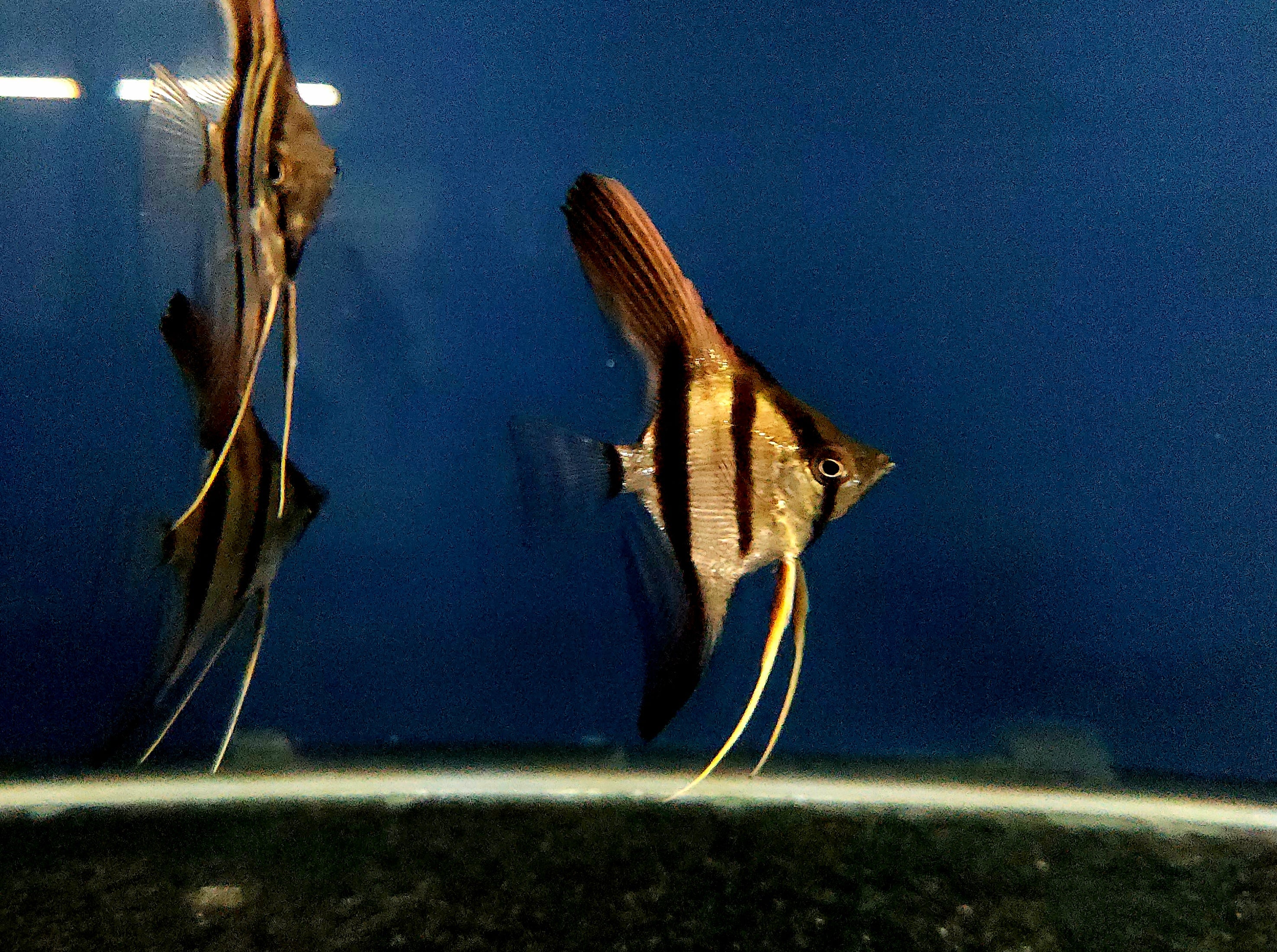
Manacapuru Red-Back Angelfish (Pterophyllum scalare)
Product type
Price
Price
$74.99
Availability
Out of stock
Screen size
Screen resolution
RAM
Storage
CPU
Connectivity
Megapixels
Operation system
Product dimensions
Weight
Сountry of origin


Product information
Common Name
Manacapuru Red Back Angel
Origin and Habitat
The Manacapuru Red Back is associated with the municipality of Manacapuru in Amazonas, Brazil. The town sits on the left bank of the Solimões near the confluence where the Rio Negro meets the Solimões and the great Amazon begins. Local waters include the Manacapuru River and the Lago Grande de Manacapuru lake system, plus a web of flood channels, side creeks called igarapés, and seasonally flooded forest.
During the rainy season the surrounding forest floods and leaf litter stains connected lakes and backwaters a tea color, creating clear, very soft, acidic blackwater conditions in many pockets, while nearby Solimões channels carry slower, turbid whitewater. Angels use calm margins, drowned roots, and stands of emergent plants for cover, pairing and spawning on vertical surfaces that match their body shape. Regional protected areas along the Rio Negro help preserve the lowland forest mosaic these fish rely on.
Temperature and Water Conditions
Preferred temperature is in the upper seventies to about 82 °F (25–28 °C). Wild waters are very soft and acidic, often pH 4.5–6.5. In aquaria, stable conditions matter far more than chasing exact wild parameters (except for dedicated breeding projects). Aim for clean, well-filtered water with good oxygenation and calm surface movement. Leaf litter and botanicals help create comfort and beneficial microfauna.
Appearance and Size
Adults display the signature red-to-orange saddle across the back that glows under warm lighting. The body is silver with dark vertical bars and a tall, triangular shape with extended dorsal and anal fins that often develop long filaments with age. Males and females look similar, though mature males may develop a slightly broader forehead (nuchal hump). Adult body length reaches about 15 cm (6 in); total height including fins is considerably greater.
Diet in the Wild
Opportunistic micropredator feeding on aquatic insects, small crustaceans, and zooplankton among roots and plants. Juveniles graze on fine invertebrates in leaf litter.
Feeding in Captivity
Use high-quality cichlid micro-pellets or small granules as the staple. Supplement with frozen and live foods such as baby brine shrimp, daphnia, cyclops, and finely chopped blackworms to enhance condition and color. Feed small portions twice daily. Vary particle size so mid-water feeders eat confidently while bottom-dwellers (Corydoras, small plecos) clean up what settles. Avoid overfeeding to maintain pristine water.
Behavior and Tank Setup
Peaceful to semi-peaceful cichlid that forms strong pair bonds. Best kept as a group of juveniles to allow natural pairing, then housed as established pairs with suitable tankmates.
- Tall aquarium with calm flow
- Fine sand or smooth substrate
- Driftwood and vertical roots
- Broad-leaved plants (e.g., Amazon swords) for cover and spawning sites
Compatible tankmates include larger calm tetras, pencilfish, Corydoras, and small gentle plecos. Very small fish may be seen as food by adults.
Breeding
Pair Formation
The easiest method is to raise a small group of juveniles and let pairs form naturally. Once a pair is obvious, provide space and visual barriers so they can claim a territory without constant disturbance.
Spawning Site
Angelfish prefer vertical or slightly inclined surfaces. Offer broad-leaved plants, smooth slate, or filter intakes covered with pre-filter sponges (which can be removed after spawning if hatching eggs separately).
Water and Conditioning
Pairs will spawn in neutral, slightly mineralized water, but hatch rates usually improve in softer, mildly acidic, very clean water. Condition with frequent small offerings of live/frozen foods, maintain steady oxygen, and avoid large parameter swings.
Egg and Larval Stages
The female lays neat rows of adhesive eggs while the male fertilizes. Parents fan and clean the eggs. At warm temperatures, eggs hatch in a few days, then remain as wrigglers on the site until free-swimming.
Raising Fry with Parents
Many Manacapuru pairs become excellent parents with experience. Minimize disturbance, keep gentle flow, and feed newly hatched brine shrimp several times daily. Siphon uneaten food, clean pre-filter sponges, and perform small daily water changes with matched parameters.
Raising Fry Artificially
If pulling eggs, move the spawning surface to a small hatching tank with gentle aeration, clean water, heater, and dim light. Once free-swimming, feed newly hatched brine shrimp and fine powdered fry food multiple times per day. Separate faster-growing fry as needed so smaller siblings get food.
Quick Facts
- Scientific name: Pterophyllum scalare
- Common name: Manacapuru Red Back Angel
- Origin: Manacapuru region, middle Rio Negro and Solimões confluence area, Brazil
- Adult size: body length ~15 cm (6 in), much taller with fins
- Temperature: upper 70s to 82 °F preferred
- Wild pH: very soft, acidic blackwater common; stability most important in captivity
- Temperament: peaceful to semi-peaceful, forms strong pairs
- Diet: micropredator; accepts quality prepared foods plus live/frozen supplements
- Breeding: open substrate spawner on leaves or slate, strong parental care once experienced
Tropical Fish Co. Notes
A standout centerpiece for tall, planted displays. The red-back glow is stunning under overhead light, and a confident pair brings real personality to the tank. Give them height, calm water, and broad leaves—then enjoy the courtship dances, fanning behavior, and tight schools of fry that follow the parents.
You May Also Like
- Choosing a selection results in a full page refresh.
!